Material library
Polymers. Metals. Precious metals.
Browse the materials we print, machine, and cast. Filter by family, process, and use, then compare up to three side by side before you commit a part.
Material library
Ratings are relative comparisons within this library — not certified measurements. Shortlist here, then ask us to confirm the fit for your part.
-

PLA
Polymers- FDM
- Strength
- 3 of 5
- Flexibility
- 2 of 5
- Heat resistance
- 1 of 5
- UV resistance
- 2 of 5
Concept models, look-and-feel prototypes, light-duty fixtures
Limitations: Low heat tolerance; brittle under impact
-

PETG
Polymers- FDM
- Strength
- 3 of 5
- Flexibility
- 3 of 5
- Heat resistance
- 2 of 5
- UV resistance
- 3 of 5
Enclosures, brackets, light outdoor parts
Limitations: Prone to stringing; scratches more easily than ABS
-
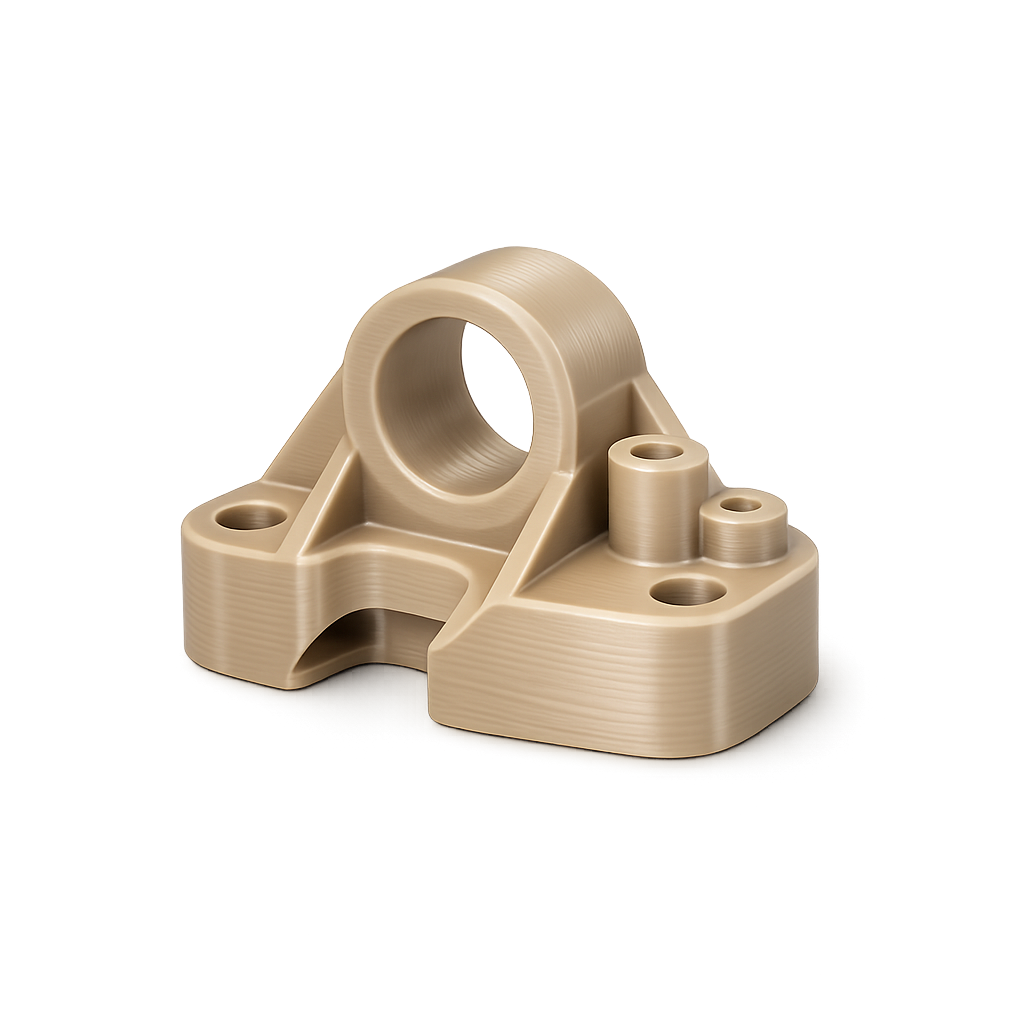
ABS
Polymers- FDM
- Strength
- 3 of 5
- Flexibility
- 3 of 5
- Heat resistance
- 3 of 5
- UV resistance
- 1 of 5
Housings, jigs, functional prototypes
Limitations: Warps on large flat parts; fades with UV exposure
-
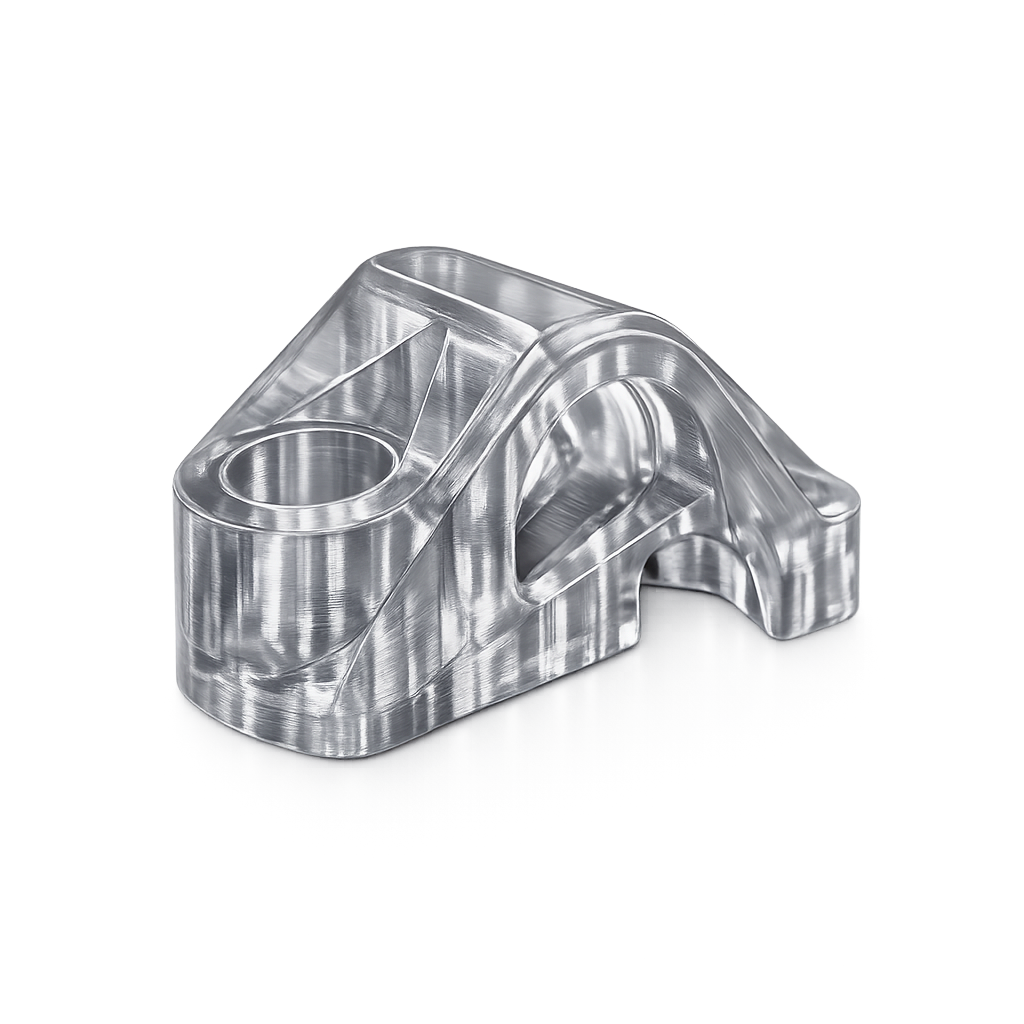
ASA
Polymers- FDM
- Strength
- 3 of 5
- Flexibility
- 3 of 5
- Heat resistance
- 3 of 5
- UV resistance
- 5 of 5
Outdoor enclosures, sign components, exterior fixtures
Limitations: Needs controlled cooling to avoid warping
-

Nylon
Polymers- SLS
- Strength
- 4 of 5
- Flexibility
- 4 of 5
- Heat resistance
- 3 of 5
- UV resistance
- 2 of 5
Snap fits, hinges, end-use mechanical parts
Limitations: Absorbs moisture; UV stabilization recommended outdoors
-
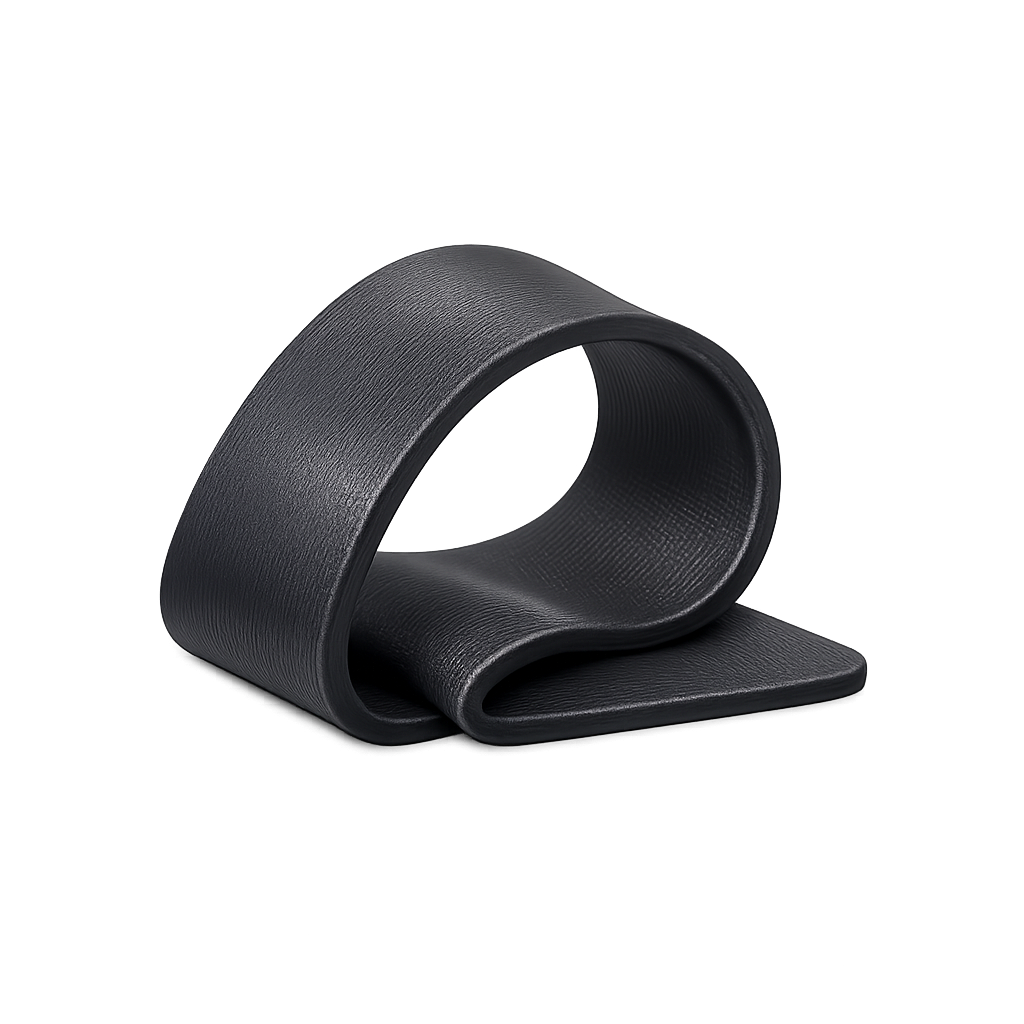
TPU
Polymers- FDM
- Strength
- 2 of 5
- Flexibility
- 5 of 5
- Heat resistance
- 2 of 5
- UV resistance
- 2 of 5
Gaskets, grips, protective covers, flexible mounts
Limitations: Slow to print; fine detail is limited
-
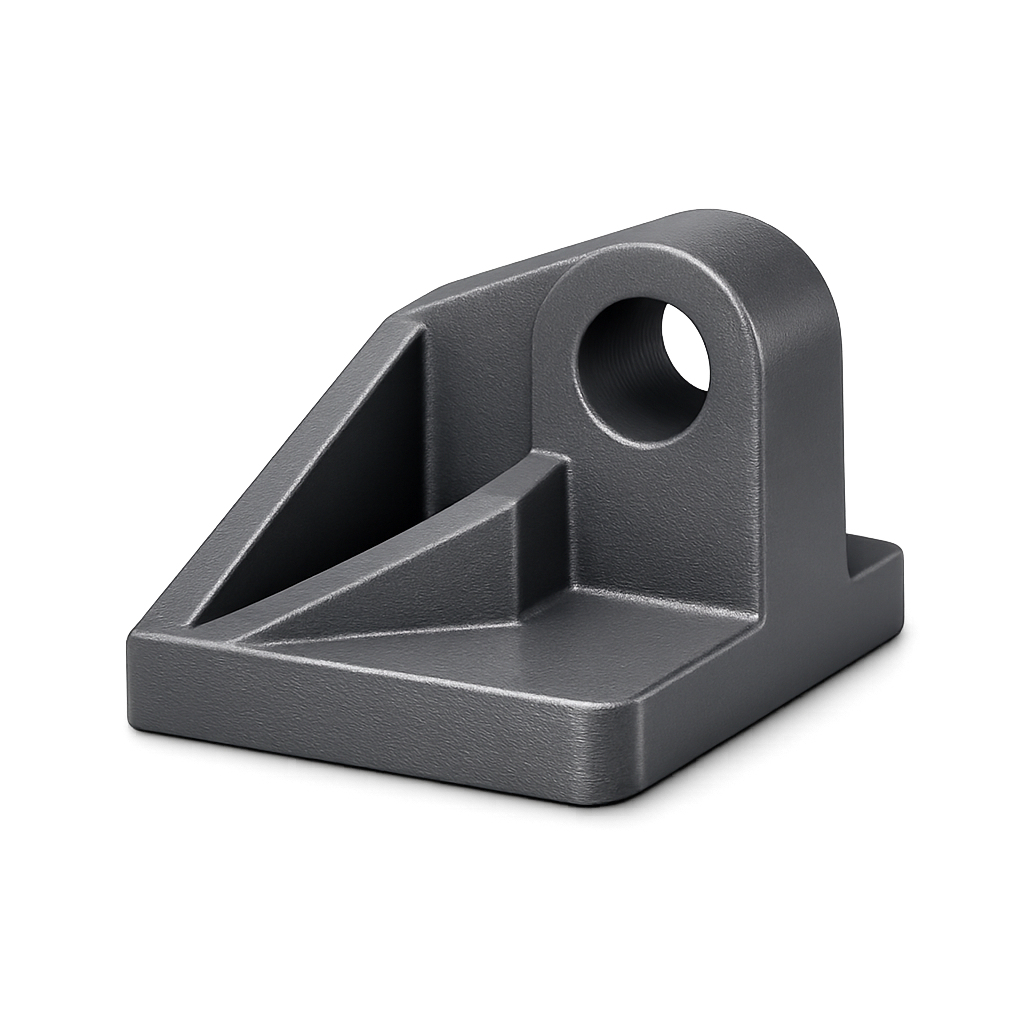
Polycarbonate
Polymers- FDM
- Strength
- 5 of 5
- Flexibility
- 3 of 5
- Heat resistance
- 4 of 5
- UV resistance
- 2 of 5
Impact-resistant housings, guards, functional prototypes
Limitations: Demanding to print; absorbs moisture before printing
-
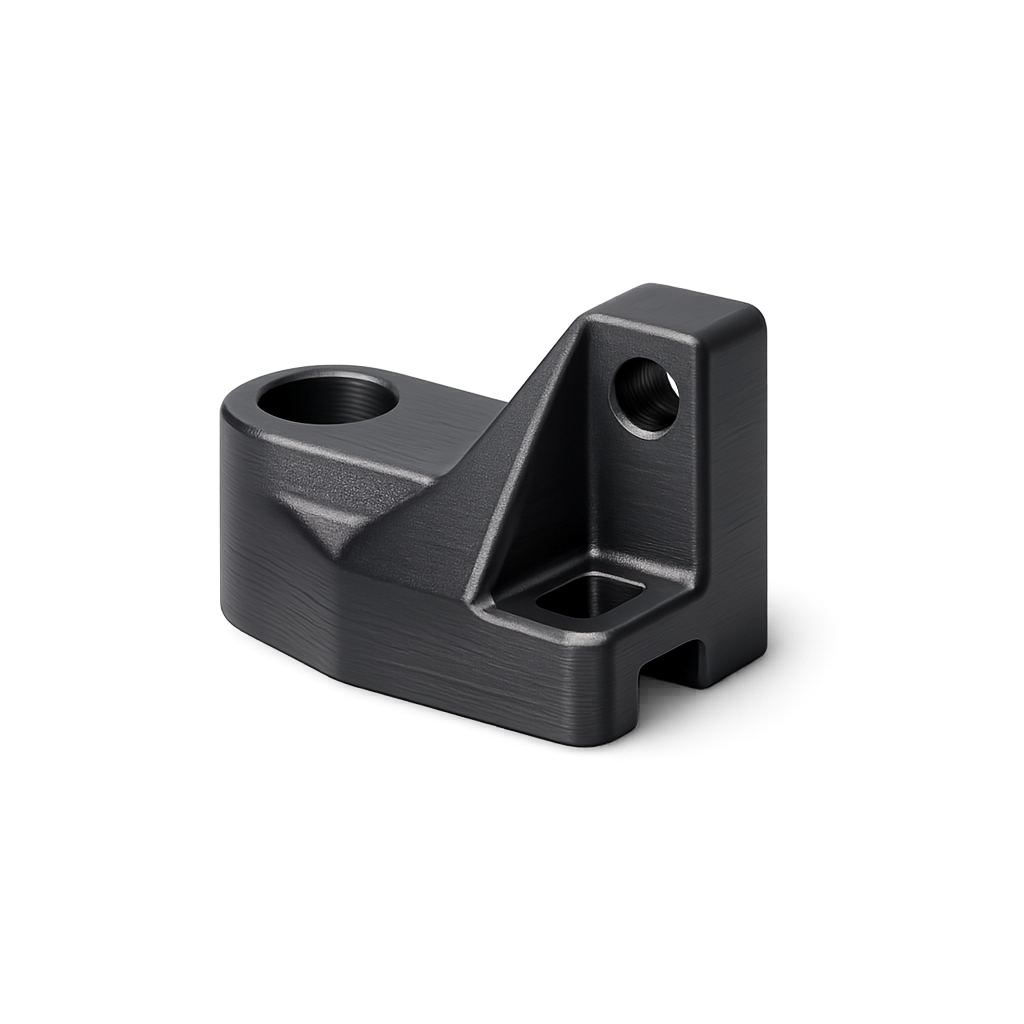
PEEK
Polymers- FDM
- Strength
- 5 of 5
- Flexibility
- 2 of 5
- Heat resistance
- 5 of 5
- UV resistance
- 3 of 5
High-load components for demanding environments
Limitations: Sample entry — confirm PEEK availability and lead time before publishing this card
-
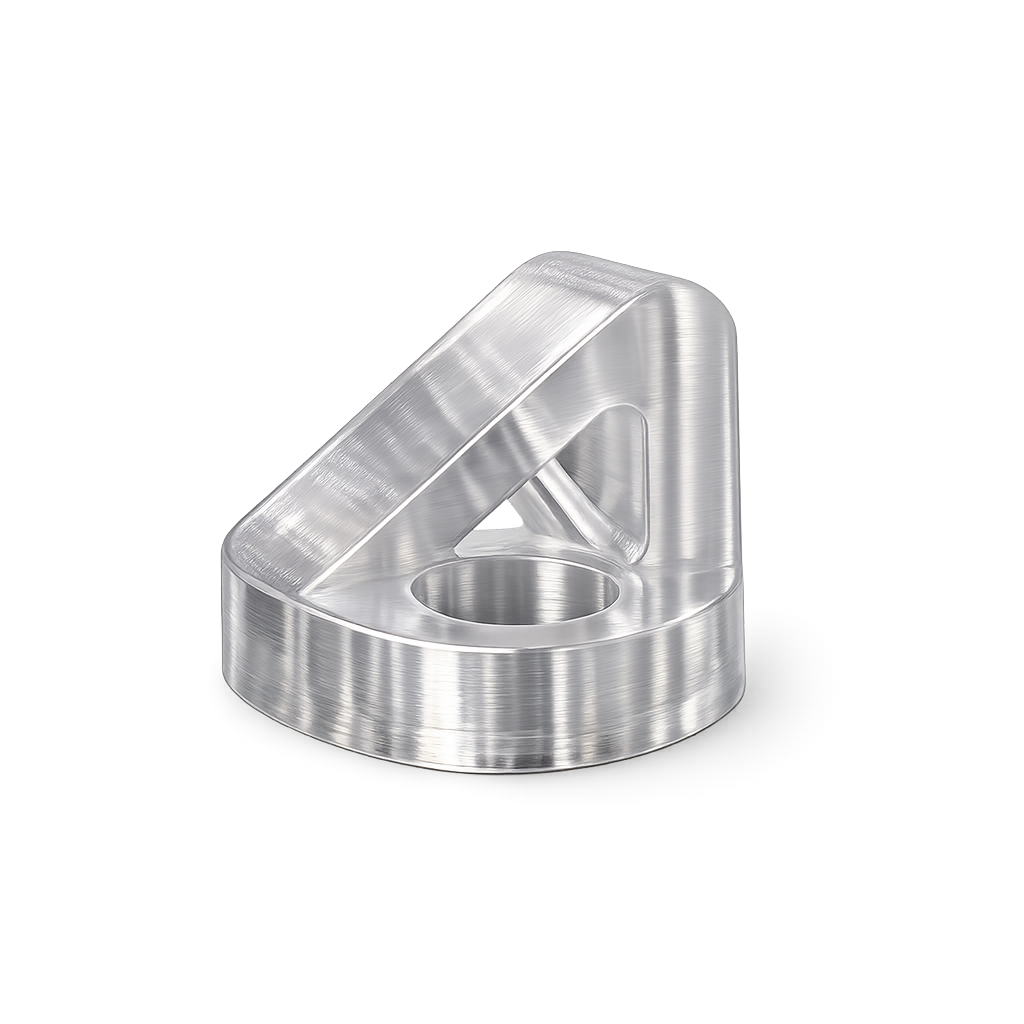
Standard resin
Polymers- SLA
- Strength
- 2 of 5
- Flexibility
- 1 of 5
- Heat resistance
- 2 of 5
- UV resistance
- 1 of 5
Visual models, fine-detail prototypes, master patterns
Limitations: Brittle; degrades with prolonged UV exposure
-
Tough resin
Polymers- SLA
- Strength
- 3 of 5
- Flexibility
- 2 of 5
- Heat resistance
- 2 of 5
- UV resistance
- 2 of 5
Snap fits, enclosures, functional prototypes
Limitations: Less stiff than machined plastics; ages under UV
-
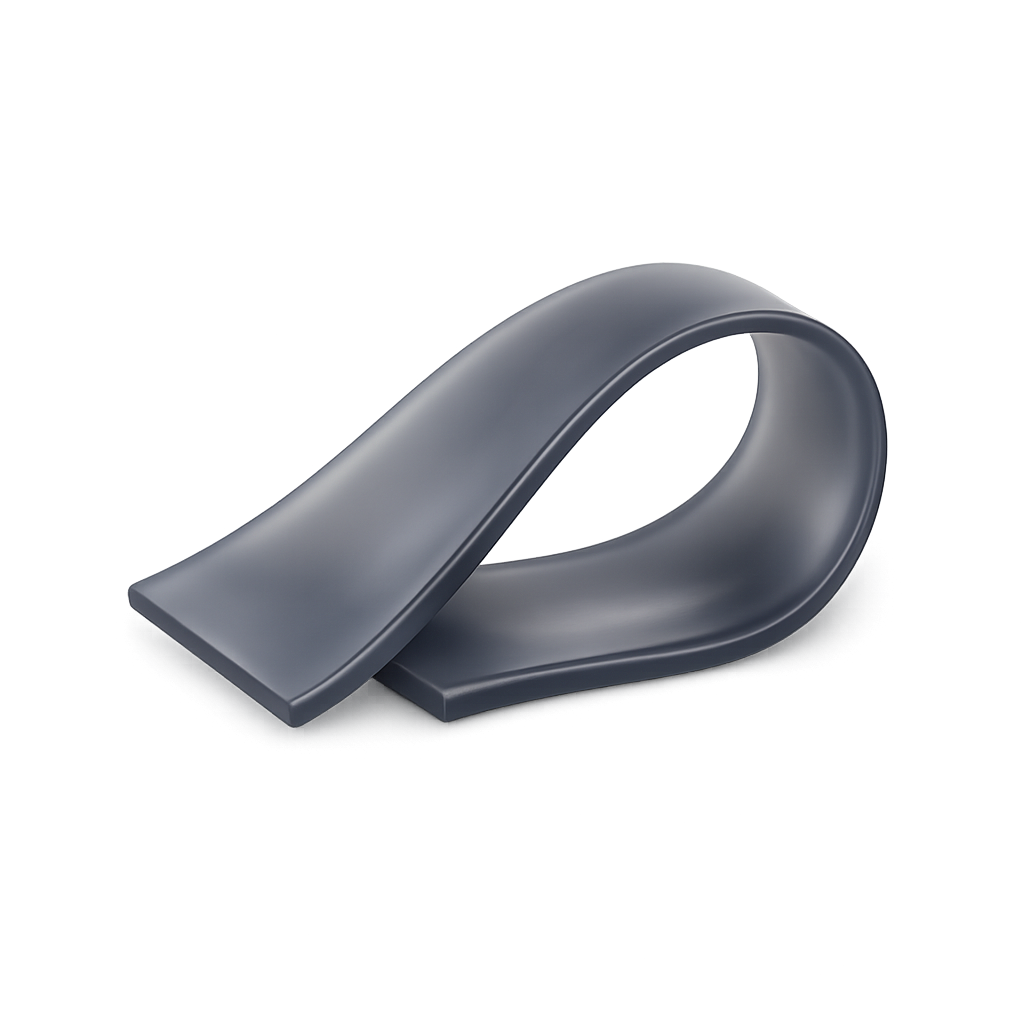
Flexible resin
Polymers- SLA
- Strength
- 1 of 5
- Flexibility
- 5 of 5
- Heat resistance
- 1 of 5
- UV resistance
- 1 of 5
Grips, gaskets, cushioning, ergonomic studies
Limitations: Tears under sustained load; limited long-term durability
-
Castable resin
Polymers- SLA
- Casting
- Strength
- 1 of 5
- Flexibility
- 1 of 5
- Heat resistance
- 1 of 5
- UV resistance
- 1 of 5
Jewelry patterns and small casting masters
Limitations: Pattern material only; not for functional parts
-

High-temperature resin
Polymers- SLA
- Strength
- 3 of 5
- Flexibility
- 1 of 5
- Heat resistance
- 4 of 5
- UV resistance
- 2 of 5
Mold prototypes, thermoforming tools, hot-air ducting studies
Limitations: Brittle; avoid impact and flex loads
-

Stainless steel
Metals- CNC
- Strength
- 5 of 5
- Flexibility
- 2 of 5
- Heat resistance
- 5 of 5
- UV resistance
- 5 of 5
Brackets, shafts, wear-resistant hardware
Limitations: Heavier than aluminum; longer machining time
-
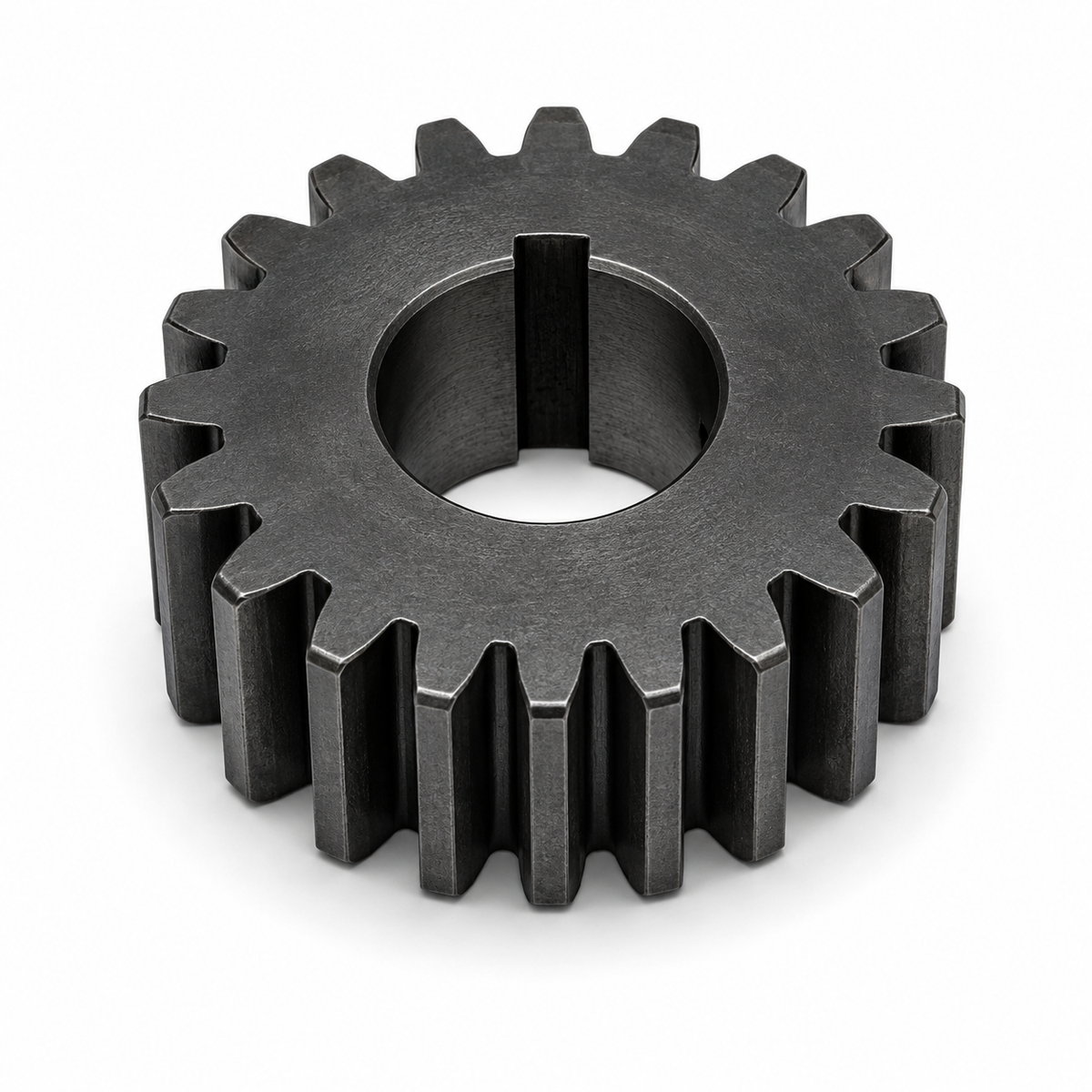
Carbon steel
Metals- CNC
- Strength
- 5 of 5
- Flexibility
- 2 of 5
- Heat resistance
- 5 of 5
- UV resistance
- 3 of 5
Structural parts, weldments, sign frames, fixtures
Limitations: Corrodes without a protective coating
-
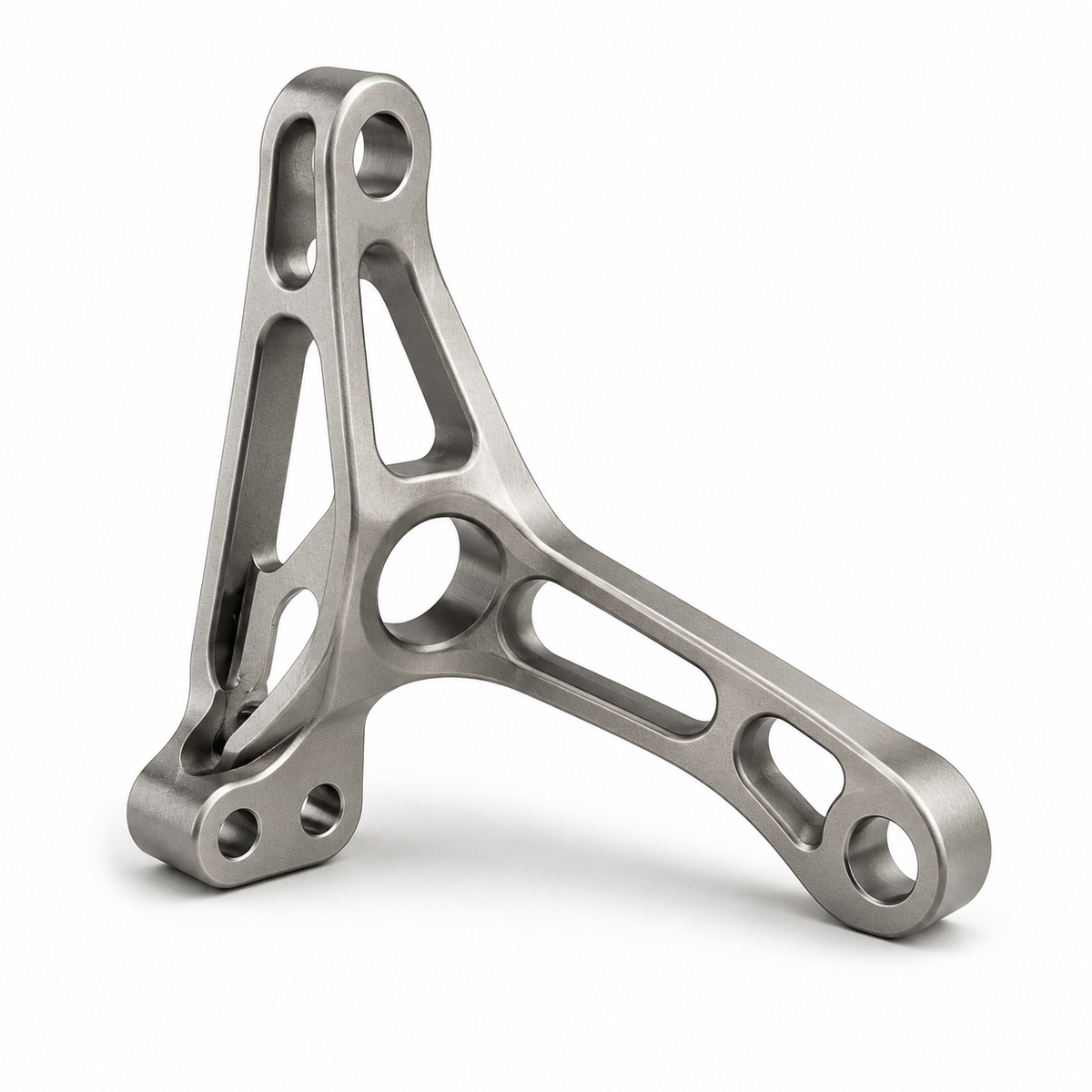
Tool steel
Metals- CNC
- Strength
- 5 of 5
- Flexibility
- 1 of 5
- Heat resistance
- 5 of 5
- UV resistance
- 3 of 5
Dies, punches, forming tools, wear plates
Limitations: Slower to machine; heat treatment adds lead time
-

Aluminum
Metals- CNC
- Strength
- 4 of 5
- Flexibility
- 2 of 5
- Heat resistance
- 4 of 5
- UV resistance
- 4 of 5
Fixtures, housings, heat sinks, structural parts
Limitations: Softer than steel; anodizing adds lead time
-
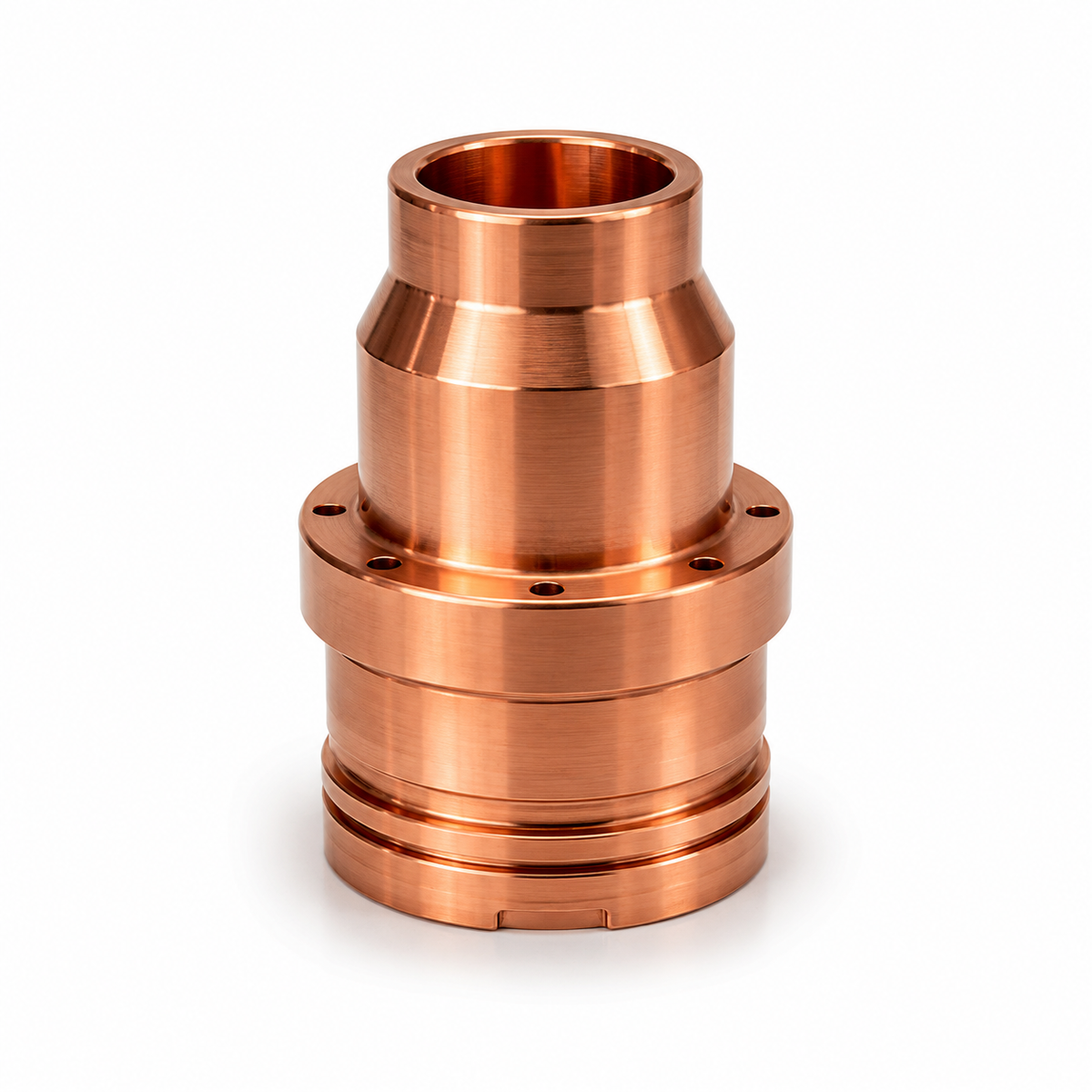
Brass
Metals- CNC
- Casting
- Strength
- 3 of 5
- Flexibility
- 2 of 5
- Heat resistance
- 4 of 5
- UV resistance
- 3 of 5
Decorative hardware, signage letters, fittings
Limitations: Tarnishes without a protective coating
-
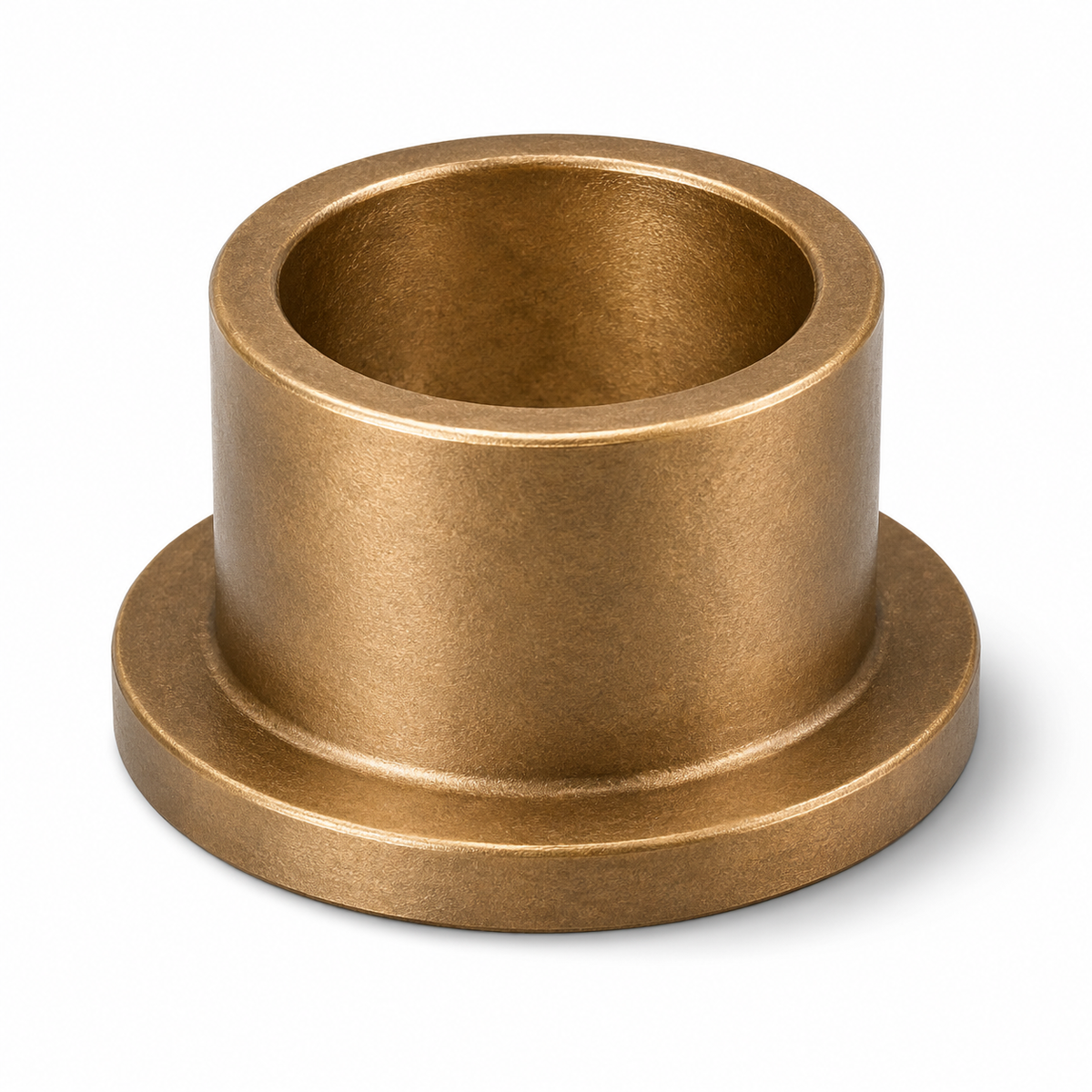
Bronze
Metals- Casting
- CNC
- Strength
- 3 of 5
- Flexibility
- 2 of 5
- Heat resistance
- 4 of 5
- UV resistance
- 4 of 5
Plaques, sculpture, bushings, hardware
Limitations: Develops a patina outdoors unless sealed
-
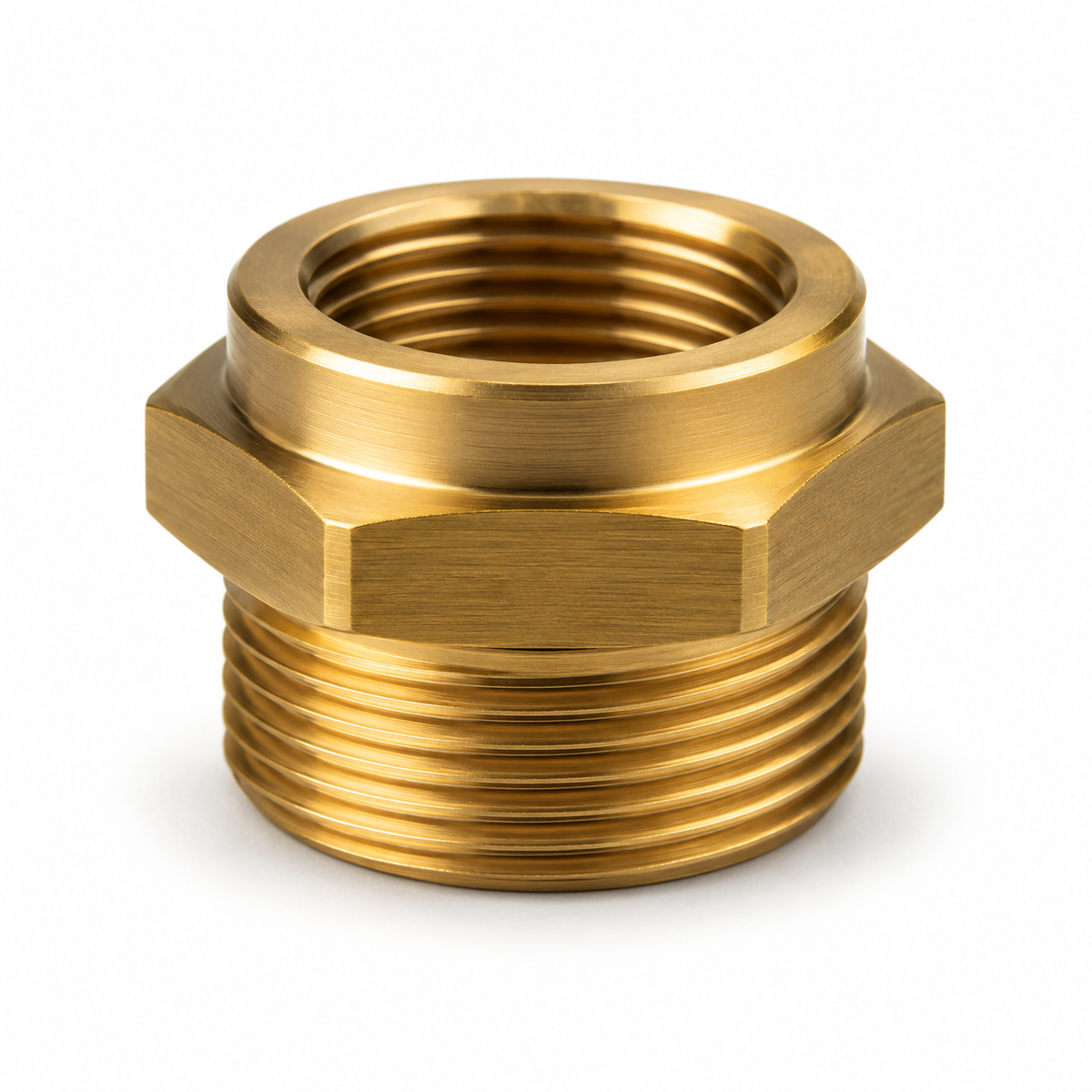
Copper
Metals- CNC
- Strength
- 2 of 5
- Flexibility
- 3 of 5
- Heat resistance
- 4 of 5
- UV resistance
- 3 of 5
Bus bars, thermal parts, decorative elements
Limitations: Soft; tarnishes quickly without coating
-
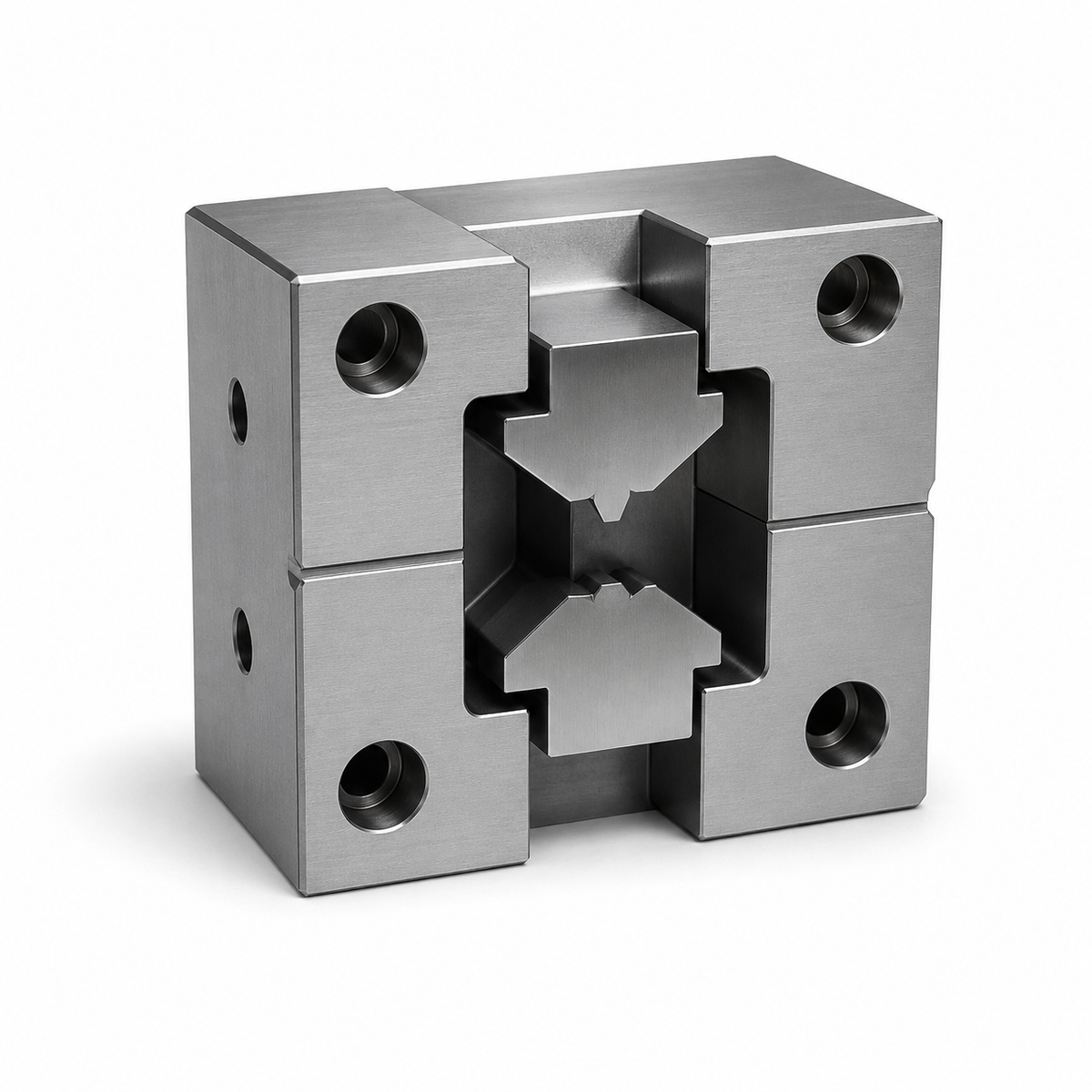
Titanium
Metals- CNC
- Strength
- 5 of 5
- Flexibility
- 2 of 5
- Heat resistance
- 5 of 5
- UV resistance
- 5 of 5
Lightweight structural parts, corrosion-critical hardware, rings
Limitations: Difficult to machine; higher cost and lead time
-
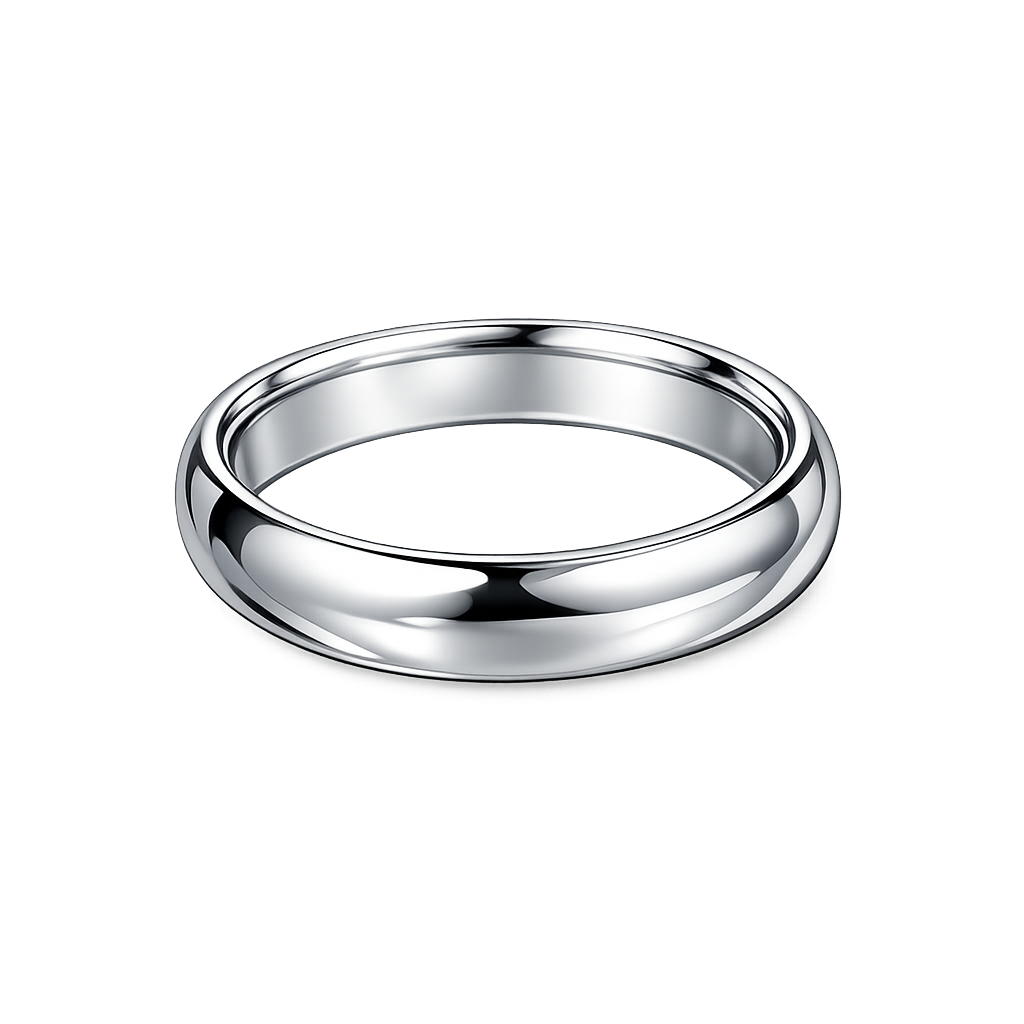
Sterling silver
Precious metals- Casting
- Strength
- 2 of 5
- Flexibility
- 2 of 5
- Heat resistance
- 3 of 5
- UV resistance
- 3 of 5
Rings, pendants, custom jewelry
Limitations: Tarnishes over time; soft compared with base metals
-
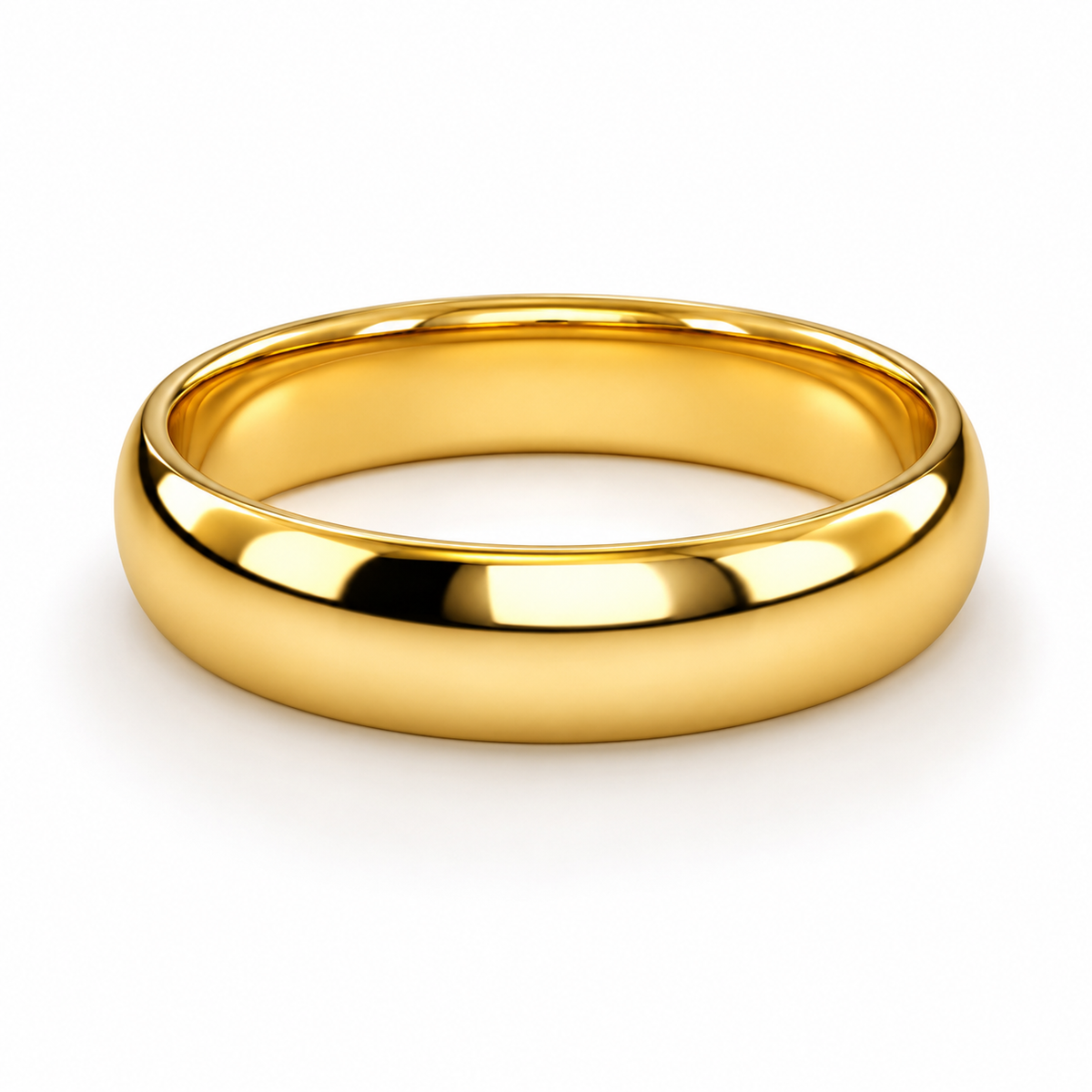
Gold
Precious metals- Casting
- Strength
- 2 of 5
- Flexibility
- 3 of 5
- Heat resistance
- 3 of 5
- UV resistance
- 5 of 5
Rings, pendants, bespoke pieces
Limitations: Higher purities are soft; alloy choice matters
-

Platinum
Precious metals- Casting
- Strength
- 3 of 5
- Flexibility
- 2 of 5
- Heat resistance
- 4 of 5
- UV resistance
- 5 of 5
Heirloom rings, settings for fine stones
Limitations: Dense and costly; specialist finishing required


No matching materials
Adjust or clear the filters to see more materials.
Printed nylon to machined steel
A quick read on three workhorse materials across the print-to-machine spectrum.
| Property | Nylon | Aluminum | Stainless steel |
|---|---|---|---|
| Family | Polymers | Metals | Metals |
| Process | SLS | CNC | CNC |
| Strength | 4 of 5 | 4 of 5 | 5 of 5 |
| Flexibility | 4 of 5 | 2 of 5 | 2 of 5 |
| Heat resistance | 3 of 5 | 4 of 5 | 5 of 5 |
| UV resistance | 2 of 5 | 4 of 5 | 5 of 5 |
| Finish | Matte, lightly grainy | Machined; bead blast or anodize | Machined; brushed or polished |
| Applications | Functional prototypes, snap fits, end-use parts | Fixtures, housings, structural parts | Brackets, shafts, wear-resistant hardware |
Ratings are relative comparisons within this table, not certified measurements. Ask us for guidance on your specific part.
Material questions
How to shortlist, what the ratings mean, and what to do when the material you need is not listed.
How should I choose between 3D printing and CNC machining?
Geometry, quantity, tolerance, and material drive the choice. Printing suits complex geometry and fast iteration; machining suits engineering metals, tight tolerances, and hard-wearing surfaces. Send the part and we will recommend a process.
What do the material ratings mean?
They are relative comparisons within this library — a quick way to shortlist, not certified measurements. When a property is critical to your part, tell us the requirement and we will confirm the fit.
Are printed parts strong enough for end use?
Often, yes — SLS nylon in particular is widely used for production parts. Strength depends on material, print orientation, and loading, so share the load case and we will advise whether to print or machine.
Which materials survive outdoors?
Among polymers, ASA and PETG hold up best. Stainless steel, anodized aluminum, and bronze handle weather well in metal. Use the Outdoor filter in the library, and note that coatings can extend other materials.
Which metals can you cast for jewelry?
Sterling silver, gold alloys, and platinum, produced from castable resin patterns. Stone settings, finishes, and hallmarking requirements are agreed per project.
Can I supply my own material?
Sometimes — it depends on the process and the form the material comes in. Tell us the grade or alloy and how it is supplied, and we will confirm whether we can run it.
Do you provide datasheets or traceability?
Where a material card links a datasheet, it comes from the material supplier. If your project needs traceability or specific documentation, raise it when you request a quote so we can confirm what is possible.
What if the material I need is not listed?
The library covers our common stock, not the limit of what we can source. Ask — we can often obtain alternatives or suggest an equivalent that machines or prints better.
Let the part pick the material.
Send geometry, load case, and environment — we will recommend a process and material to match.
Sample note — state your typical response time here. Replace in Theme Editor.
- STEP
- IGES
- STL
- OBJ
- DXF
- DWG